It's one of the most common calls we get: "We sprayed the kitchen last week and the cockroaches are already back." It's not that the spray didn't work — it's that a spray was never going to solve the actual problem. Cockroach infestations are a nest problem, not a surface problem, and understanding that difference is the key to getting rid of them for good.
A Spray Only Kills What It Touches
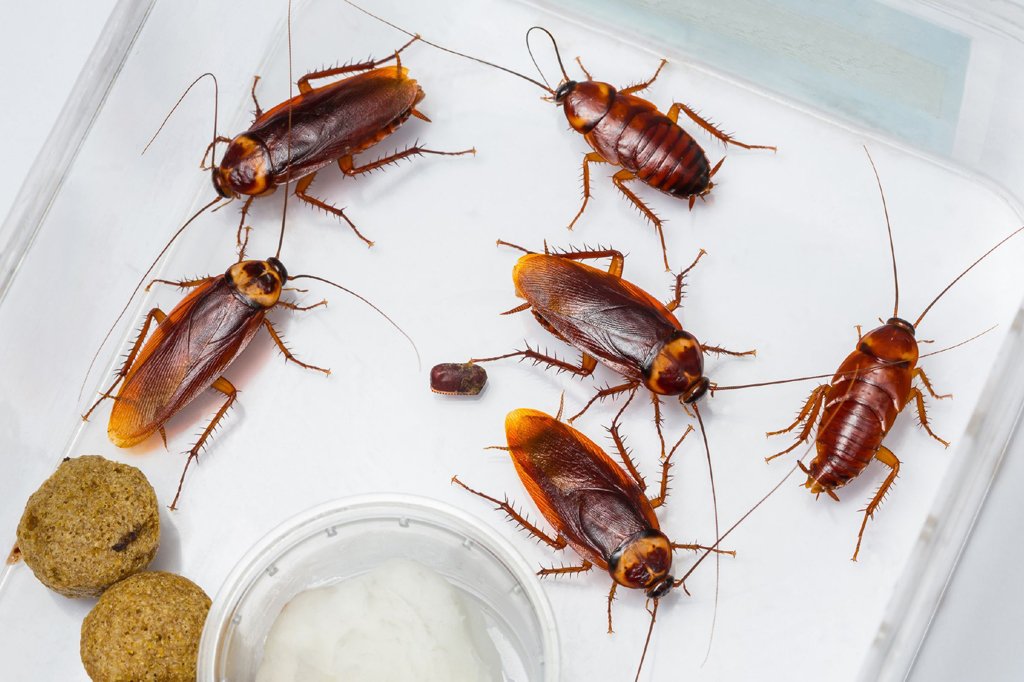
Aerosol and surface sprays are contact insecticides — they work only on the cockroaches that are out in the open and directly hit by the chemical at the moment of spraying. A German or American cockroach colony, however, spends up to 75% of its time hidden deep inside cracks, behind appliances, inside electrical panels and under sinks, well away from where a spray ever reaches.
Why the Population Bounces Back So Fast
A single female German cockroach can produce an egg case containing 30–40 eggs roughly every three to four weeks, and can produce several such cases in her lifetime. If a spray kills the adults you can see but leaves even a handful of egg cases untouched in a hidden crevice, the population rebuilds within a month — which is exactly why homeowners feel like the problem "keeps coming back" no matter how often they spray.
Cockroaches Are Smarter Than You'd Expect
Repeated exposure to the same store-bought insecticide can also lead to bait and spray aversion or resistance within a local population over time, meaning the product that worked six months ago may simply stop being effective — while you keep buying and using more of it.
The Real Fix: Gel Baiting
Professional gel baits work completely differently from a spray. Instead of killing on contact, the bait is placed in small, precise dots along known cockroach pathways — hinges, pipe entry points, the underside of cabinets, behind refrigerators. A cockroach eats the bait, carries the slow-acting active ingredient back to the harbourage, and dies there. Because cockroaches are cannibalistic and consume the droppings and carcasses of others, the toxin spreads secondarily through the colony, including to egg-laying females hidden deep inside wall voids that a spray could never reach.
Harbourage Treatment: Attacking the Hiding Spots Directly
Alongside gel baiting, NPMS technicians carry out harbourage treatment — targeted application inside the specific cracks, crevices, motor housings and voids where cockroaches actually live and breed, rather than blanket-spraying open floors and counters where they merely pass through. This is combined with an insect growth regulator (IGR) in many treatment plans, which disrupts the reproductive cycle so surviving roaches cannot produce viable eggs.
Sanitation Matters, But It's Not the Whole Answer
Keeping a kitchen clean, sealing food in airtight containers, fixing leaking taps and clearing cardboard clutter all reduce the food and moisture that attract cockroaches. But sanitation alone will not remove an existing colony — a genuinely clean kitchen can still have roaches living inside the motor compartment of a refrigerator or behind a dishwasher, spaces daily cleaning never reaches.
What to Expect From a Professional Cockroach Treatment
An NPMS cockroach treatment typically begins with an inspection to identify species and locate harbourage points, followed by gel baiting at every active site, crack-and-crevice treatment, and where needed, a residual spray in non-food-contact areas such as skirting and drain covers. Because the gel works over days rather than instantly, it's normal to see a temporary spike in visible roaches as they emerge from hiding before the population collapses — this is a sign the bait is working, not that it has failed.
How Long Until the Kitchen Is Roach-Free?
Most households see a sharp drop in sightings within 7–10 days, with the colony fully controlled over 3–4 weeks as remaining egg cases hatch and are eliminated. NPMS follows up with a second visit to catch any hatchlings from egg cases that were laid before the treatment, since roach eggs are naturally resistant to most insecticides.
Still seeing cockroaches after spraying on your own? The nest is almost certainly still intact. NPMS's gel baiting and harbourage treatment targets the colony at its source — book a free inspection and we'll show you exactly where they're hiding.
Frequently Asked Questions
Why do I see more cockroaches right after gel baiting?
This is normal and expected. The bait drives hidden cockroaches out of wall voids and cracks to feed, so a short-term increase in visible activity is actually a sign the treatment is working, not failing.
Is gel bait safe for homes with children and pets?
Yes. Gel baits are applied in small, targeted dots inside cracks and behind appliances, out of reach of children and pets, and are far less exposed than aerosol sprays used across open surfaces.
How often should cockroach treatment be repeated?
For most homes, a follow-up visit within 3–4 weeks and a quarterly maintenance plan keeps a kitchen roach-free long-term, especially in ground-floor units or buildings with shared drainage.