
Of all the pests that invade Indian homes, termites cause the most damage while making the least noise. A colony can work inside a wall, door frame or wooden beam for months — sometimes years — before anyone notices anything wrong. By the time visible damage appears, the structural repair bill is often far higher than a preventive termite treatment would have been. At National Pest Management Service (NPMS), our technicians inspect hundreds of Jaipur homes every year, and the same early warning signs show up again and again. Here are the seven you should never ignore.
Why Termites Are Called the "Silent Destroyers"
Subterranean termites, the most common species across Rajasthan, live underground and travel into a structure through soil contact, cracks in the foundation or gaps around plumbing. They avoid open air and light, which is exactly why an infestation can spread through skirting boards, door frames and furniture without a single termite ever being seen crawling across a floor. Recognising the indirect signs is the only realistic way to catch them early.
1. Mud Tubes Along Walls and Foundations
Mud tubes are pencil-width tunnels made of soil, saliva and wood particles that termites build to travel safely between the soil and a food source. Look along external walls, foundation edges, and inside dark corners of a basement or garage. A tube that is active will feel slightly damp and crumble to reveal live termites inside.
2. Hollow-Sounding or Papery Wood
Termites eat wood from the inside out, leaving a thin veneer of paint or timber on the surface. Tap door frames, skirting boards and furniture with the back of a screwdriver — a dull, hollow or papery sound instead of a solid knock usually means the wood has already been hollowed out internally.
3. Discarded Wings Near Windows and Doors
Once a colony matures, it releases winged reproductive termites (alates) to start new colonies, usually just after the first monsoon rains. These swarmers shed their wings almost immediately after landing, so small, translucent, equal-sized wings piling up near windowsills, light fixtures or door thresholds is one of the clearest signs an established colony is nearby.
4. Blistering, Bubbling Paint or Warped Wood Flooring
Moisture released by termite activity beneath a wooden surface can make paint blister or bubble, and can cause wooden or laminate flooring to warp, buckle or sound "squishy" underfoot. This is frequently mistaken for water damage, but if the area is nowhere near a plumbing line, termites are worth ruling out first.
5. Frass Near Wooden Fixtures
Drywood termites — less common than subterranean, but present in furniture and imported wood — push their droppings, called frass, out of small holes as they tunnel. Frass looks like tiny wood-coloured pellets or sawdust piled beneath furniture legs, window frames or wooden shelving.
6. Doors and Windows That Suddenly Stick
Termite tunnelling and the moisture that comes with it can warp door and window frames just enough that they become difficult to open or close. If several doors in the house have started sticking around the same time, it's worth a closer look at the frames themselves.
7. Sagging Floors, Ceilings or Visible Tunnels in Timber
In advanced infestations, structural beams and floor joists lose enough material that floors begin to sag, ceilings develop faint ripples, or you can see maze-like tunnelling when damaged wood is broken open. This is the latest possible stage to catch an infestation — by this point, carpentry repair is usually unavoidable alongside treatment.
Why DIY Sprays Don't Solve a Termite Problem
Over-the-counter termite sprays kill only the insects they directly touch. A termite colony can hold tens of thousands of individuals living several feet underground, so a surface spray leaves the queen, the nursery and the vast majority of workers completely unaffected — the infestation simply continues out of sight.
What a Professional Termite Treatment Involves
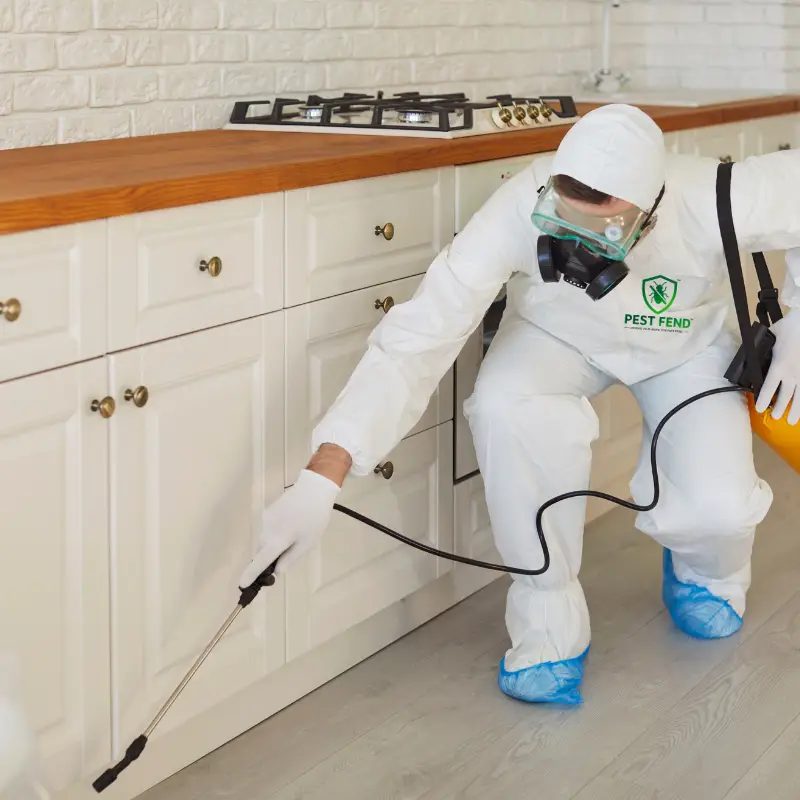
NPMS follows a two-stage approach depending on the property. For under-construction buildings, we carry out pre-construction anti-termite treatment (PCT) by chemically treating the soil before the foundation is laid, creating a long-lasting barrier. For existing homes, we use post-construction treatment (PCCT) — drilling and injecting termiticide around the foundation, plus bait stations placed at active entry points to eliminate the colony at its source, not just the visible trail.
How Often Should You Get a Termite Inspection?
We recommend a professional termite inspection once a year for homes in Jaipur and other termite-prone areas of Rajasthan, and immediately after the first heavy monsoon rains if you notice winged swarmers indoors. Older homes, properties with wooden flooring, and houses near mature trees carry a higher risk and benefit from more frequent checks.
If you've spotted even one of these seven signs, don't wait for the next one to appear. NPMS offers a free, no-obligation termite inspection across Jaipur — our technicians will identify active entry points and recommend the right treatment before the damage becomes structural.
Frequently Asked Questions
How much does termite treatment cost in Jaipur?
Cost depends on the size of the property, the treatment type (pre-construction or post-construction) and the extent of the infestation. NPMS provides a free inspection and a written quote before any work begins, so you know the exact cost upfront.
Can I get rid of termites myself?
Store-bought sprays only kill termites on contact and rarely reach the colony or queen underground, so DIY treatments tend to mask the problem rather than solve it. Professional soil and bait treatments are needed to eliminate an established colony.
How long does a termite treatment last?
A professional post-construction termite treatment from NPMS typically carries a warranty period of several years, depending on the treatment plan chosen, with follow-up inspections included to catch any renewed activity early.